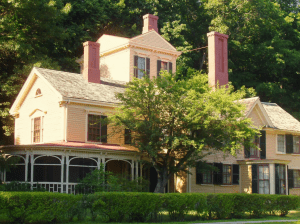
The Wayside (Author’s Home)
Learn More

Great Meadows National Wildlife Refuge, one of the eight refuges that make up the Eastern Massachusetts National Wildlife Refuge Complex, is broken into several units with two main units, Sudbury unit and Concord unit. Prior to colonization the land that Great Meadows is on was primarily inhabited by Indigenous peoples including, the Nipmuc, Pawtucket, Wampanoag and Susquehanna Tribes. The river meadows and plains were burned to provide cropland and pasture for game and the water provided fish for food and fertilizer. In 1944, a local hunter, Samuel Hoar, donated over 200 acres to U.S. Fish and Wildlife Service, establishing the refuge in Concord. The Sudbury unit, where the Eastern MA Complex Headquarters is located, was established later as the Service began buying additional land in the area’s wetlands.
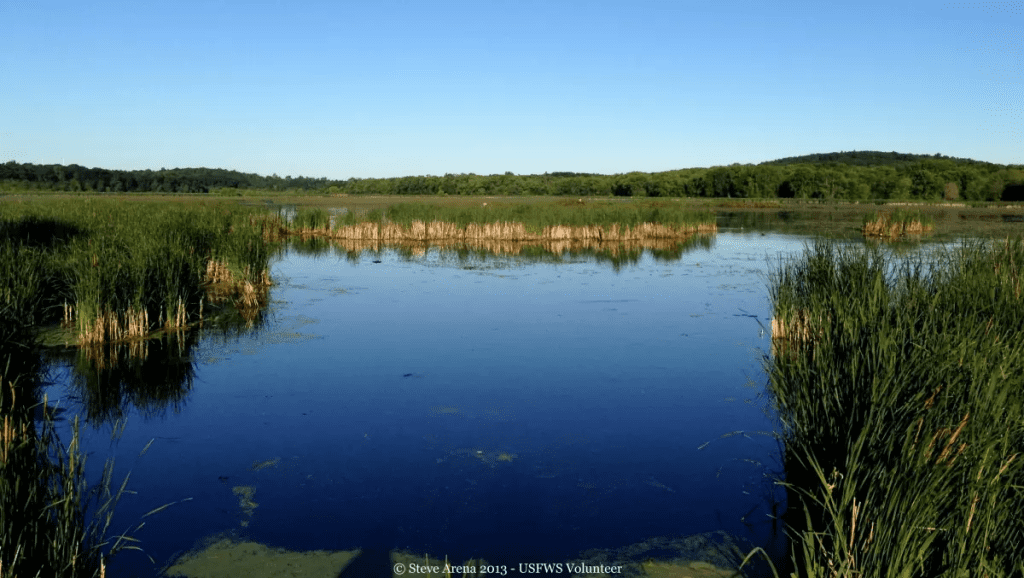
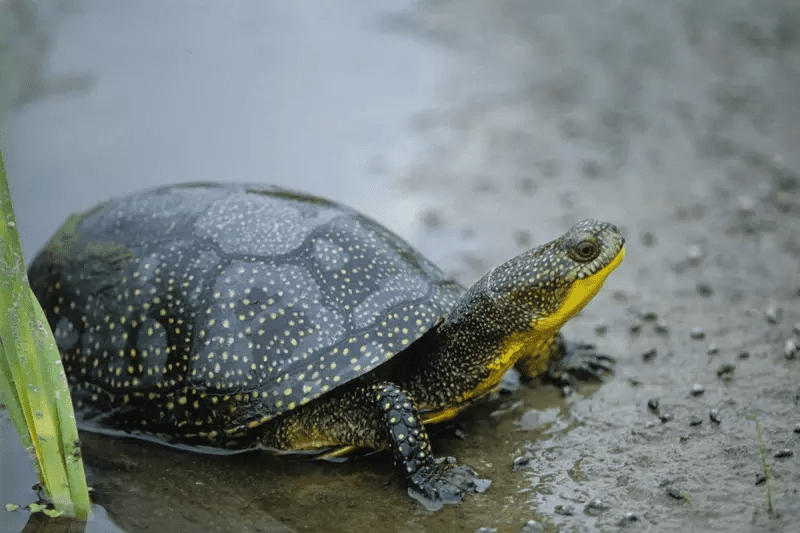
Roughly 85% of the refuge is composed of valuable freshwater wetlands, alongside the Sudbury and Concord Rivers. The goal of refuge management is to provide habitat for native fish and wildlife, especially migratory birds and the Massachusetts threaten Blanding’s turtle. Exotic plant control is a major management tool at Great Meadows. The refuge’s wetlands, fields and woods provide great habitat for many species, including vast avian groups, white-tailed deer, beaver, muskrat, otter, small mammals, amphibians, and reptiles including many species of turtles.
Monsen Road Concord, MA 01742