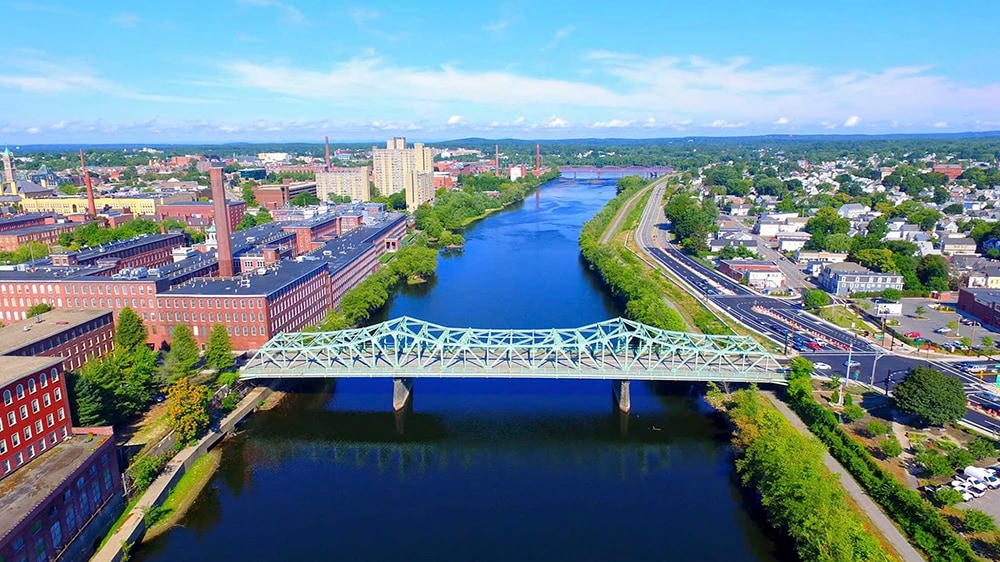

The Town of Dracut is located along the northern edge of Lowell, bordering southern New Hampshire and serving as a gateway between urban centers and the landscapes of northern New England. Long before European settlement, the land that became Dracut was part of Indigenous homelands shaped by rivers, wetlands, and seasonal movement.
In the mid-1600s, the area was designated as part of the Wamesit (Wamiset) Praying Town, a colonial system created during English expansion that profoundly influenced the region’s early history. Over time, Dracut developed around its natural resources, with early industries rooted in fishing, lumber milling, and water-powered production.
By the 19th century, Dracut became part of the broader industrial story of the Merrimack Valley, supporting paper and cotton textile manufacturing. These industries attracted waves of Irish and French Canadian immigrants, whose presence helped shape the town’s neighborhoods, culture, and civic life.
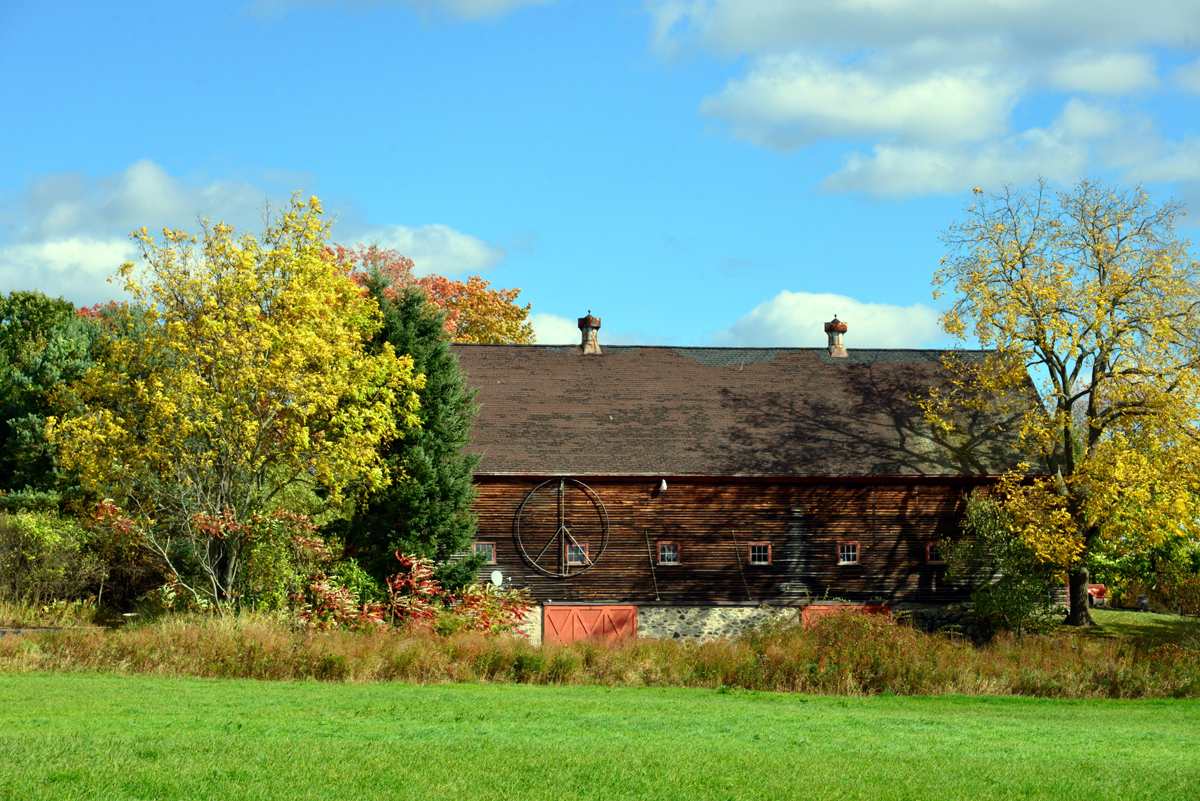
Dracut’s landscape is defined by its abundance of ponds, wetlands, brooks, and wooded areas. While development followed industry, portions of Dracut’s rural character remain, particularly along the state boundary. Historic homes still dot the town, including the Coburn/Cutter House, a nearly 300-year-old structure known for its massive beams, central chimney, and long-standing role as a community gathering place through seasonal craft fairs and events.
Today, Dracut is known for its strong sense of community and tradition of volunteerism. Residents take pride in supporting one another, and the town offers a balance of neighborhood life with easy access to Lowell, Boston, the Atlantic coast, and the mountains and lakes of northern New England. With recreational opportunities, healthcare facilities, and educational institutions all within a short drive, Dracut remains an accessible and welcoming part of the Revolutionary Valley.

Read Ambassador Insights
Dracut, Massachusetts
Dracut, MA