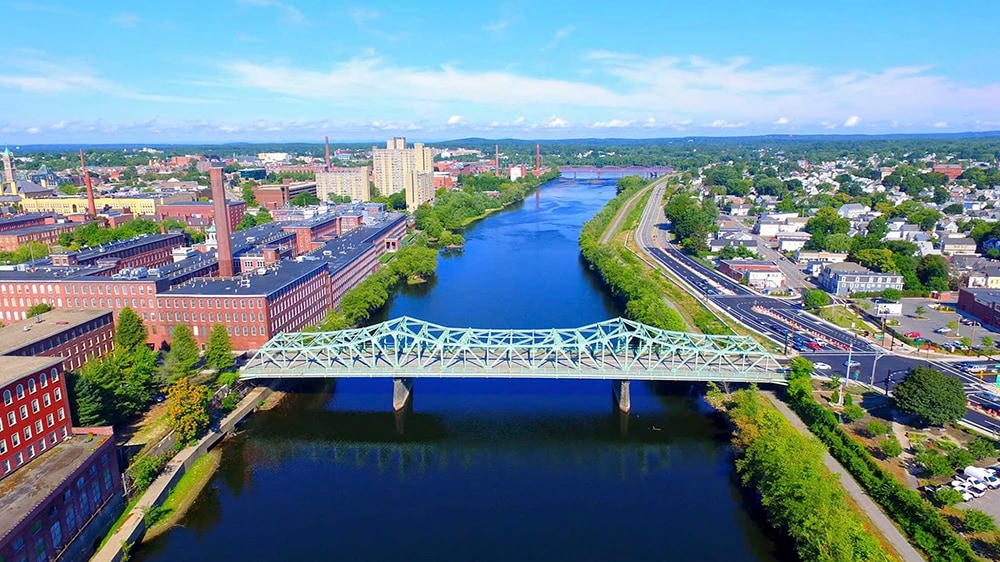
Littleton, Massachusetts sits on the western edge of suburban Boston and is a town where industry, agriculture, and open space have long existed side by side. First settled in 1686 and incorporated in 1714, Littleton has maintained its New England character while adapting thoughtfully over time.
Long before its incorporation, the land that became Littleton was home to Indigenous peoples. In the 17th century, the area included Nashoba Plantation, one of the Praying Towns established under colonial rule, located between Lake Nagog and Fort Pond. This history reflects the complex early interactions between Native communities and English settlers that shaped much of the region.
Littleton developed as a farming community, becoming especially known for its apple orchards, dairy farms, and food production. Many of these agricultural traditions continue today, with working farms and preserved landscapes still defining the town’s character. Visitors and residents alike are drawn to Littleton’s blend of rural scenery and everyday livability.
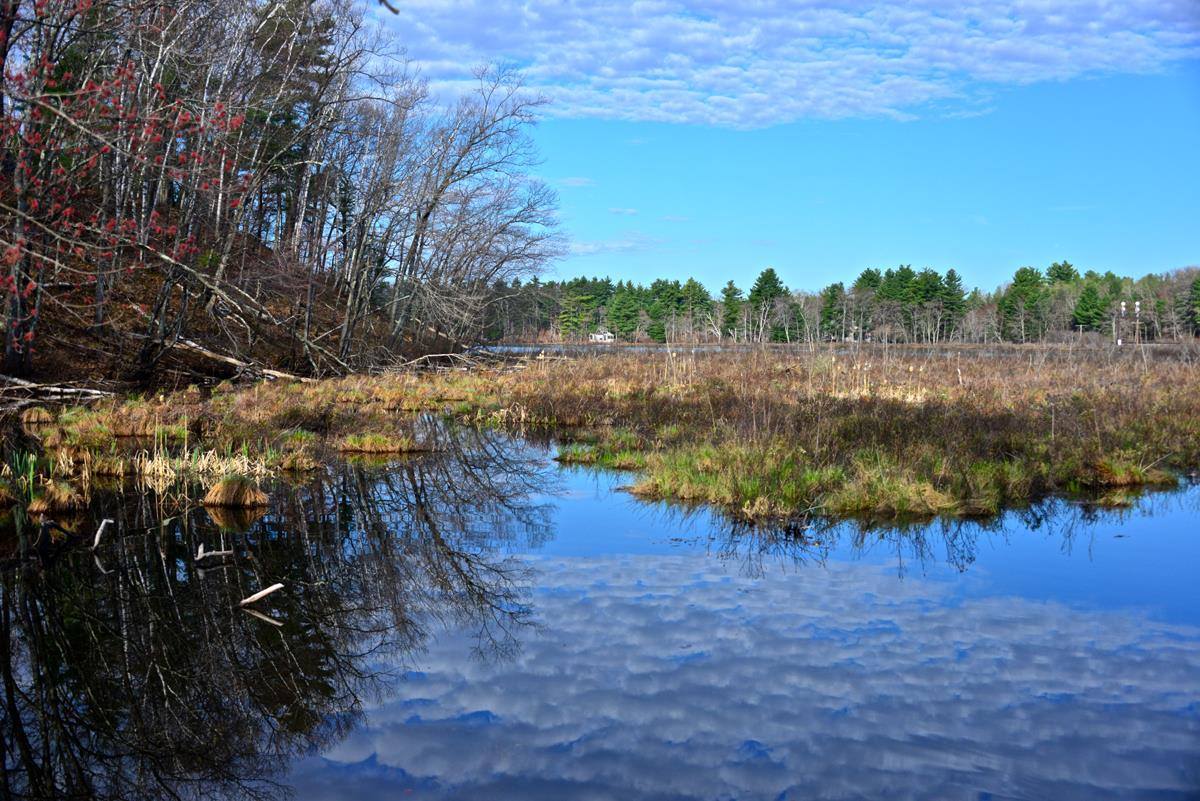
Outdoor recreation is a central part of life in Littleton. The town has more than 2,000 acres of conservation land, offering opportunities for hiking, walking, and exploration. Parks, playgrounds, and lakes provide space for both passive and active recreation, making it easy to enjoy the outdoors year-round.
Despite its pastoral feel, Littleton is exceptionally well connected. Located at the junction of Routes 2 and 495, the town offers convenient access to Boston and the greater New England region. Littleton is also home to an MBTA Commuter Rail station, providing direct service to Boston’s North Station in about an hour. This accessibility, combined with a business-friendly environment, has made Littleton an attractive location for companies while preserving the town’s small-town atmosphere.
Littleton, Massachusetts
Littleton, MA
Accommodations
View More