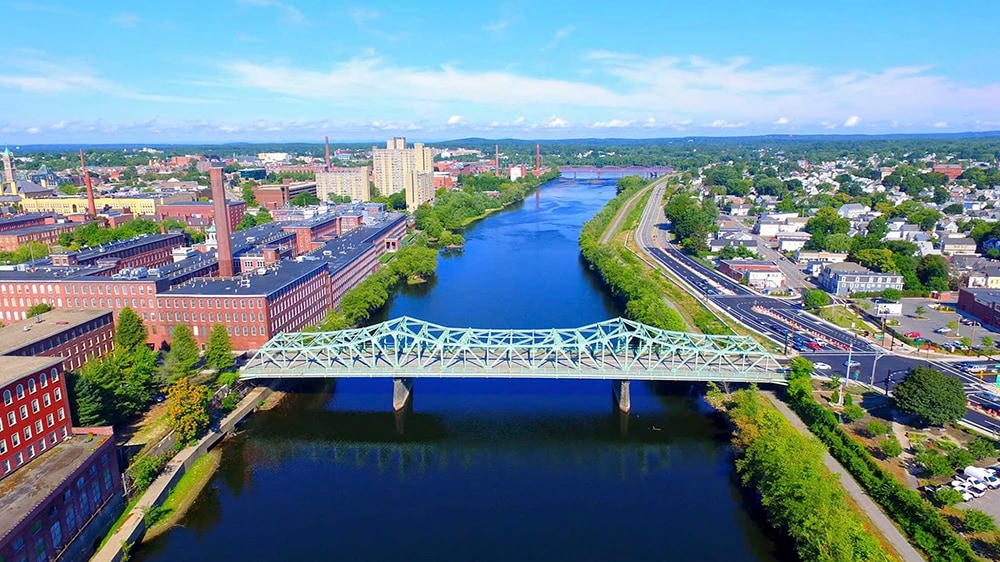

First settled in 1637, Tewksbury, Massachusetts is a suburban community located about 25 miles northwest of Boston, set on the uplands between the Concord and Merrimack Rivers. The town borders Lowell, Andover, Dracut, Billerica, Wilmington, and Chelmsford, placing it at the center of several key Revolutionary Valley communities.
Tewksbury’s early development was closely tied to nearby Billerica, with gradual settlement expanding through the early 18th century. Today, its history is reflected in both preserved landmarks and meaningful public art. Notable sculptures along Main Street include the Wamesit Indian Monument, honoring Indigenous history in the region, and the Anne Sullivan–Helen Keller Monument, commemorating the pivotal relationship between the two women. Both works were created by artist Mico Kaufman and serve as important cultural touchstones within the town.
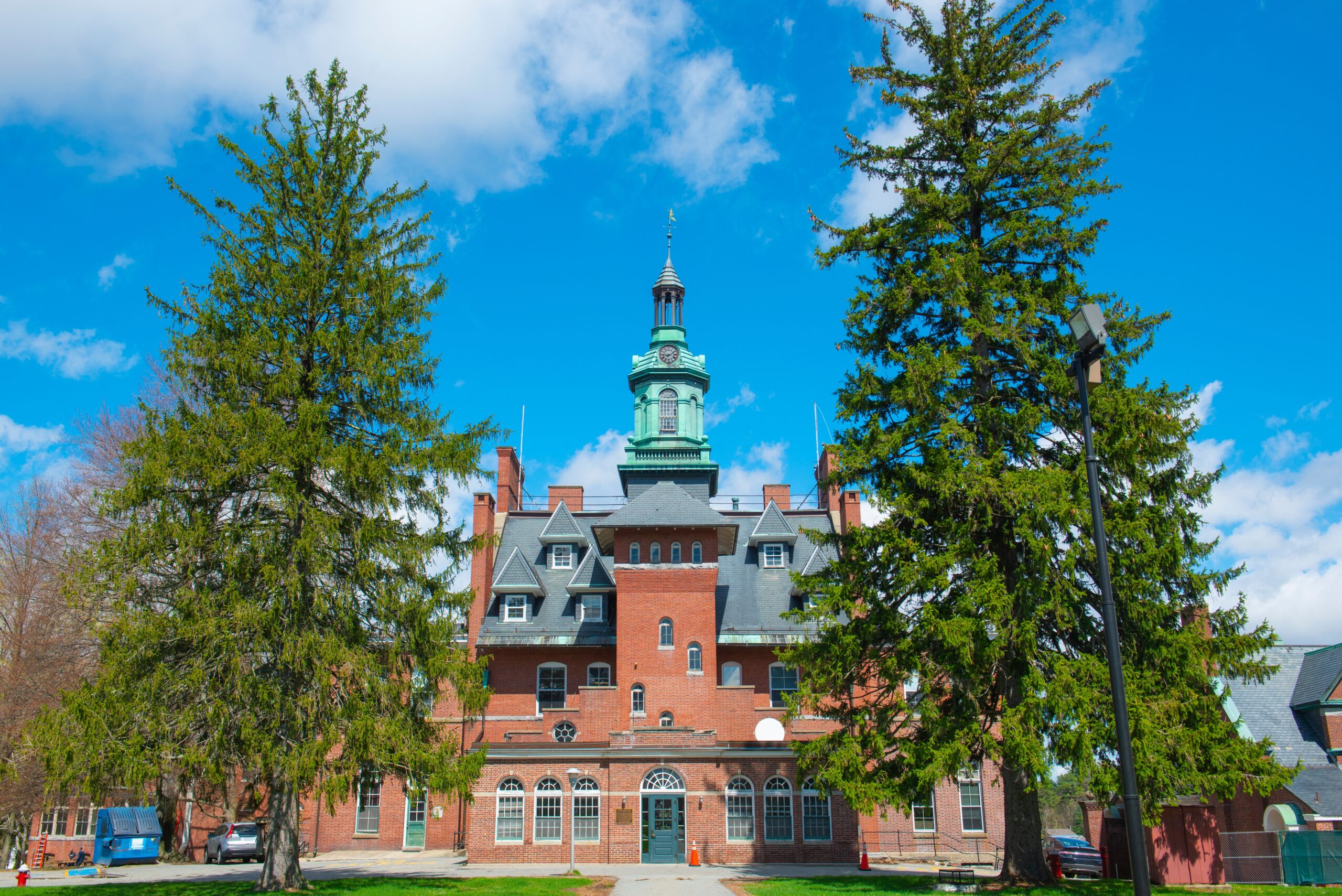
Tewksbury is also home to the Public Health Museum, located on the historic grounds of the former Tewksbury State Hospital. The museum explores the history of public health, social reform, and institutional care in Massachusetts, offering visitors a deeper understanding of how healthcare, compassion, and policy have shaped communities over time. It stands as a unique and thought-provoking destination within the Revolutionary Valley.
In addition to its historical and cultural offerings, Tewksbury provides a range of shopping centers and restaurants, along with easy access to the hospitals, arts, and educational institutions of neighboring Lowell. The town’s location near Interstates 93 and 495 makes travel to Boston convenient, while also offering a direct route north to New Hampshire and Maine for regional exploration.
Balancing residential life with accessibility and history, Tewksbury remains a connected and welcoming community within the Revolutionary Valley.
Tewksbury, Massachusetts
Tewksbury, MA